MY TEACHING PHILOSOPHY
As the educational theorist and playwright Brian Way noted, the purpose of drama class, and school in general, could be simply described as “practicing living.” I fully agree with this sentiment and adopt a “practice living” approach in my teaching, particularly with elementary-aged students. For students to explore their futures, the classroom must be a safe space that offers ample growth opportunities. As a theatre educator, I am committed to culturally responsive teaching and social-emotional learning, creating an environment that supports my students in developing both as individuals and as members of their community.
Culturally responsive teaching requires educators to recognize and embrace the diverse backgrounds of their students. To create an inclusive classroom for a varied student population, I implement several strategies. First and foremost, I select materials that represent a wide range of perspectives, backgrounds, and beliefs. I am committed to ensuring that all students can see themselves reflected in the media included in the classroom. As a theatre educator, this representation primarily reflects in the plays and musicals I choose for my students. Next, I ensure that all my students can participate in classroom activities, regardless of their differing abilities. Differentiated instruction is essential for fostering an inclusive environment, and I adjust the curriculum to meet each student's individual needs. Whether it involves modifying game rules for students with different mobility needs or providing translations of dramatic texts for those who require them, my goal is to ensure that all students have access to classroom content. Lastly, building trusting relationships between students and teachers is crucial. One effective way to establish this trust is by openly acknowledging mistakes made in the classroom. Teachers are human and will inevitably make errors, say the wrong things, or occasionally hurt their students. Teachers need to take the time to recognize these mistakes and work to restore trust when they occur. By doing so, teachers model ideal behavior and help to dismantle the unnecessary power dynamic that perfectionism can create. Through providing representation in media, implementing differentiated instruction, and fostering trusting relationships, I aim to build a classroom community where all students feel welcomed and valued.
Social-emotional learning is a crucial aspect that I emphasize in my classroom. Drama education is particularly effective for fostering social-emotional skills, as it helps students build empathy through character analysis, become more aware of their own emotions during acting exercises, and practice teamwork as they create an ensemble. I draw on my dance background to help students develop "kinesthetic empathy," which involves understanding someone's emotions through movement and gesture. Activities such as tableaus, mirroring, copycat, and sculptor and clay are excellent ways for elementary students to start grasping the complex emotional experiences of others. Often, introductions to acting focus on inward reflection before considering how to interpret for an audience. Basic acting exercises, including the meditative techniques of Brian Way, the "magic door," and character walks, can help young learners connect with their feelings and develop strategies for coping with them. Additionally, ensemble building is a fundamental aspect of any drama class or theatrical production. Through activities like zip-zap-zop and group counting, students learn the importance of collaboration and compromise. Social-emotional learning is integral to any drama classroom, as students gain a deeper understanding of themselves and the world around them through theatrical play.
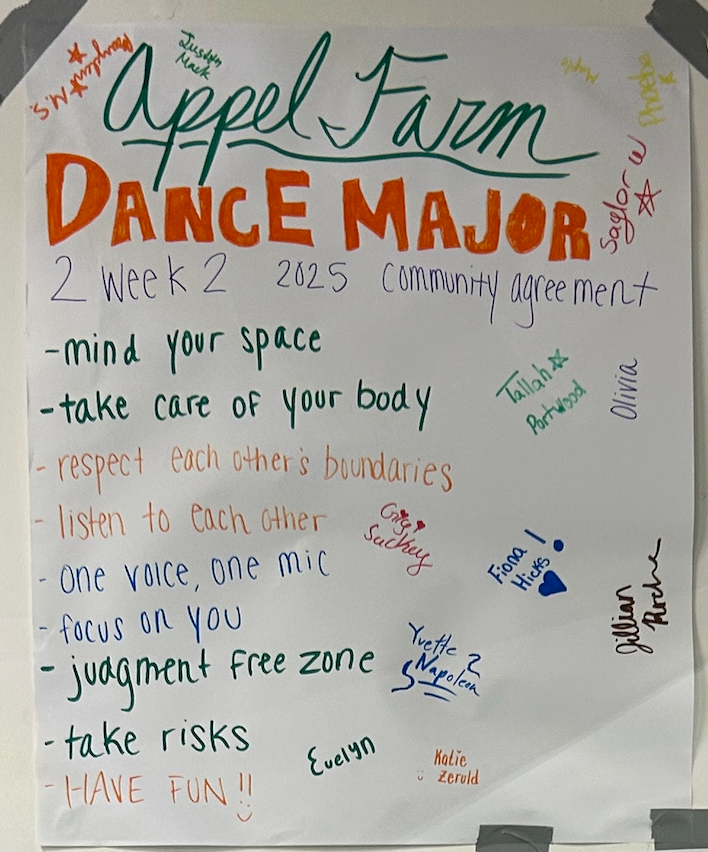
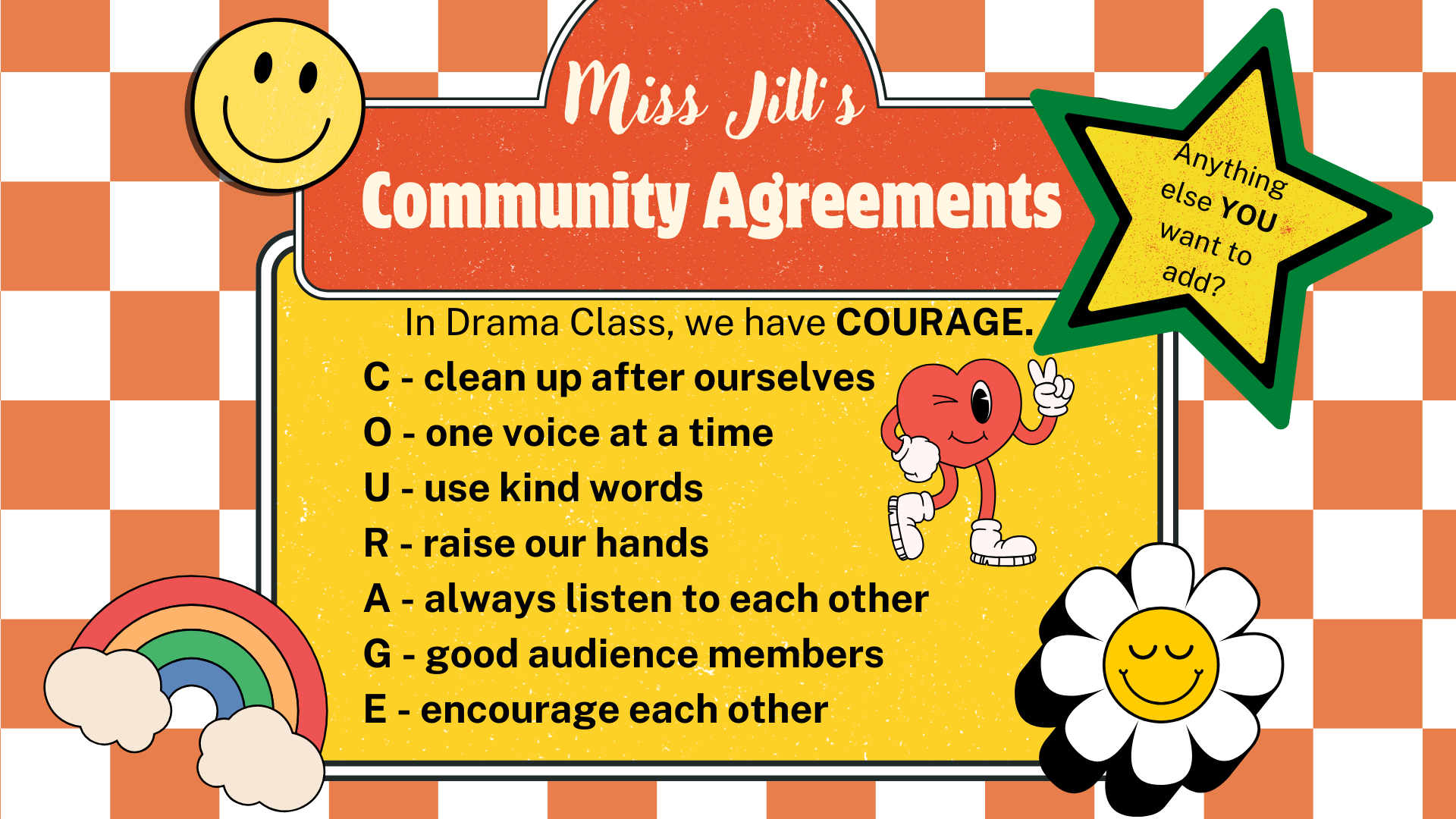
To further develop my students as community members, I implement a classroom community agreement as a guiding framework in all my classes. Collaborating with students to establish guidelines for the space we will create together is far more effective than imposing prescriptive rules from the teacher. When students are empowered to share their vision for the classroom environment in which they want to learn, they are more likely to adhere to the rules they helped create. Additionally, the community agreement is a living document that I revisit several times throughout the course to assess what is working well and to incorporate new ideas. This approach provides students with valuable insights into how to live in a community and respect boundaries.
I began dancing when I was two years old and started participating in theater at the age of nine. Both forms of performing arts offered me opportunities for personal expression, collaboration, and the chance to explore roles beyond my own life. As I pursue my career in education, I am committed to creating an inclusive environment where my students can experience similar benefits from drama.
References:
Way, B. (1998). Development Through Drama. Bloomsbury Academic.
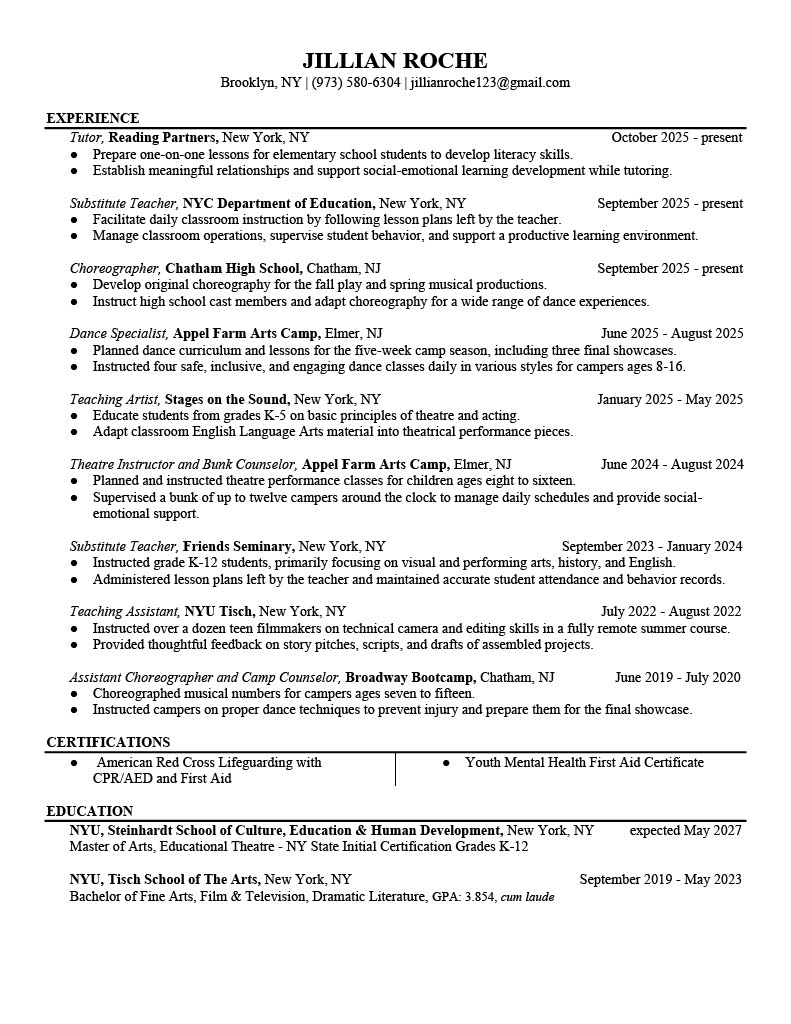
TEACHING RESUME